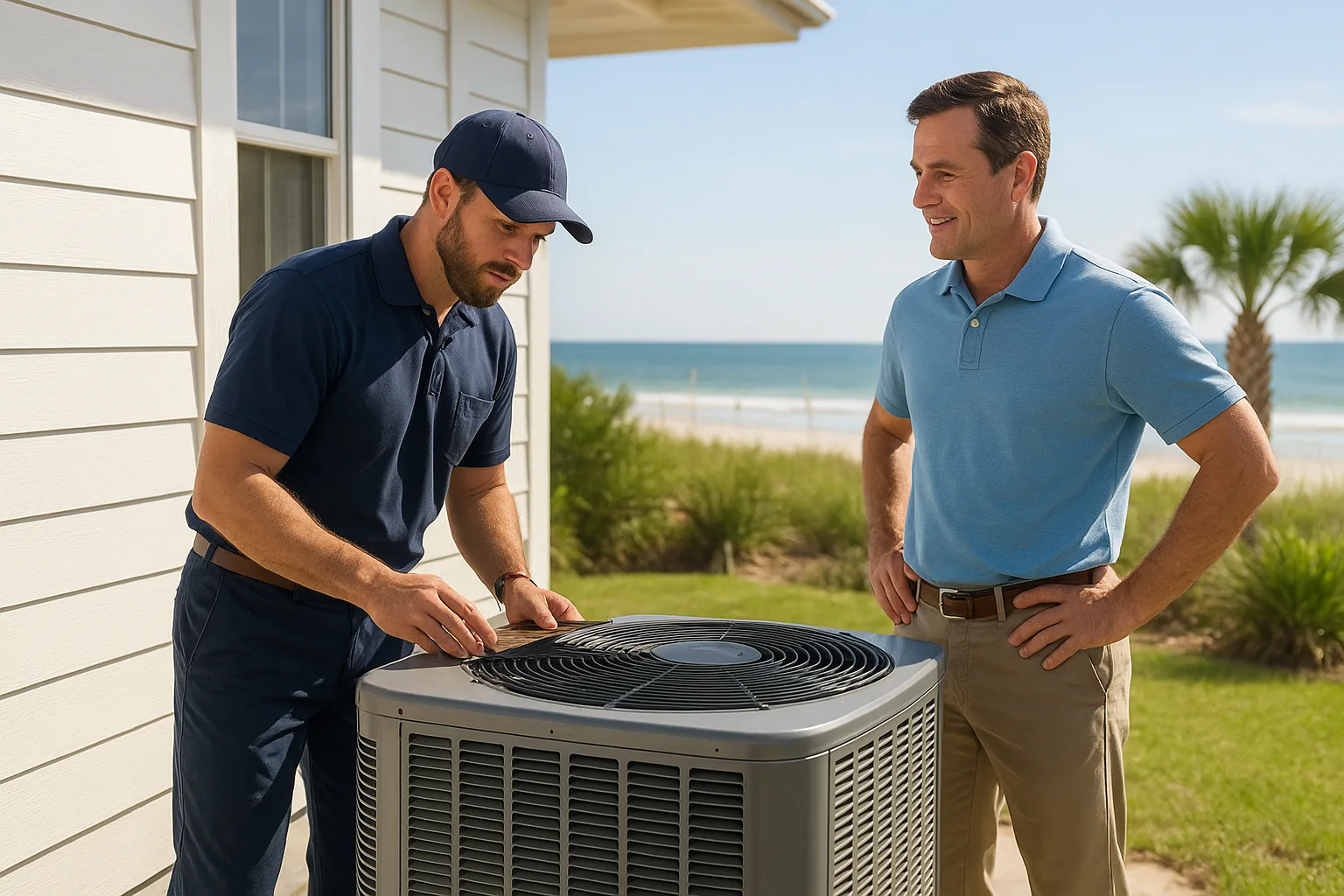
Why AC Problems Feel Different in Gulf Breeze
In Gulf Breeze, air conditioning is not just about comfort. It is part of daily life for homeowners across Santa Rosa County and the Florida Panhandle. The combination of high humidity, long cooling seasons, and coastal air can put extra strain on an HVAC system. That means small issues can turn into bigger repairs faster than many homeowners expect.
When an AC system starts acting up, the signs are usually easy to notice. You may feel warm air from vents, hear unusual noises, or see your system turning on and off too often. In many cases, these symptoms point to a problem that needs prompt attention before it affects the whole unit.
If you are dealing with inconsistent cooling, rising energy bills, or poor airflow, it may be time to schedule AC repair with a local professional who understands the demands of Gulf Breeze homes.
Common AC Repair Issues Homeowners Notice First
Most cooling problems start with a few warning signs. Paying attention early can help you avoid a full breakdown during the hottest part of the year.
Warm Air From Vents
If your system is running but the air coming through the vents is warm, the cause could be low refrigerant, a compressor issue, or restricted airflow. It can also be related to thermostat issues that prevent the system from cooling properly. This is one of the most common signs that you need air conditioner repair.
Frozen Evaporator Coil
A frozen evaporator coil often points to airflow problems, a dirty filter, low refrigerant, or a blower issue. Ice buildup can stop the system from absorbing heat, which means the home will stay warm even while the AC runs. If you see ice on the indoor unit, turn the system off and call for HVAC repair. Homeowners in Gulf Breeze often compare Air Conditioning Repair when they want a more focused look at repair or replacement options.
Short Cycling
Short cycling happens when the AC turns on and off too frequently. This can be caused by thermostat issues, electrical problems, dirty coils, or an oversized system. It wastes energy, adds wear to the equipment, and often leaves rooms feeling unevenly cooled.
Drain Line Clog
High humidity in Gulf Breeze means your AC removes a lot of moisture from the air. That moisture drains through a condensate line, and if the line clogs, water can back up around the unit. A clogged drain line may cause leaks, musty odors, or even system shutdowns if the safety switch is triggered.
Airflow Problems
Poor airflow can make a home feel hotter even when the AC is technically working. Common causes include dirty filters, blocked vents, blower motor trouble, or duct issues. Airflow problems should not be ignored because they can create stress on the whole cooling system.
How Coastal Conditions Affect HVAC Systems
Living near the coast has many benefits, but salt air can be tough on outdoor equipment. Coastal corrosion is a real concern in Gulf Breeze and nearby areas. Over time, salt and moisture can wear down metal components, electrical connections, and condenser coils. This can shorten the life of the system and make repairs more frequent.
Routine air conditioning service matters even more in a coastal climate. Cleaning coils, checking connections, and inspecting the outdoor unit can help catch corrosion early. A well-maintained system is more likely to handle the long Florida cooling season without unexpected problems. If you want a more service-specific breakdown, Air Conditioning Maintenance gives you the local details for Gulf Breeze.
When a Small Issue Becomes a Bigger Repair
Some homeowners wait until the AC completely stops working before calling for help. That can lead to higher repair costs and more discomfort inside the home. For example, a minor refrigerant leak may begin as slightly weaker cooling, then progress into frozen coils and compressor strain. A dirty drain line may start as a small drip, then become a water leak or shutdown.
Getting help early can protect major components and reduce the chance of emergency service. If your system is making unusual sounds, struggling to keep up, or cycling strangely, it is smart to request cooling repair sooner rather than later.
Simple Checks You Can Do Before Calling for Service
Homeowners can safely check a few basic items before scheduling home AC repair. These simple steps may reveal an easy fix or help the technician diagnose the issue faster.
Check the Thermostat
Make sure the thermostat is set to cool and the temperature is lower than the current room temperature. If the display is blank or inaccurate, the issue may be related to batteries, wiring, or thermostat issues.
Inspect the Air Filter
A clogged filter can restrict airflow and lead to poor cooling, frozen coils, and system strain. If the filter looks dirty, replace it and see whether performance improves.
Look at the Outdoor Unit
Clear away leaves, grass, and debris from around the condenser. The unit needs room to breathe. Do not open panels or attempt electrical repairs, but do make sure the outdoor equipment is not blocked.
Check for Water Around the System
Water near the indoor unit may signal a drain line clog or another issue with condensation removal. If water keeps returning, professional AC service is the safest next step.
Why Professional AC Repair Is Worth It
Air conditioning systems are complex, and the cause of a symptom is not always obvious. Warm air from vents could mean low refrigerant, but it could also point to airflow problems or electrical trouble. A frozen evaporator coil may be the result of one issue or several connected issues. That is why professional HVAC repair is so valuable.
A trained technician can test performance, inspect system components, check refrigerant levels, and identify the root cause instead of guessing. That leads to better repairs and fewer repeat service calls. It can also help extend the life of the system, especially in a region where cooling equipment works hard for much of the year. For readers weighing next steps in Gulf Breeze, Air Conditioning Services is another useful service page to review.
How to Keep Your AC Running Better in the Florida Panhandle
Regular maintenance can reduce the chance of breakdowns and help your system perform more efficiently. In Gulf Breeze and throughout the Florida Panhandle, homeowners should consider seasonal air conditioning service before peak summer heat arrives.
Helpful maintenance habits include changing filters on schedule, keeping the outdoor unit clean, watching for leaks, and paying attention to changes in airflow or cooling performance. If you notice coastal corrosion, musty smells, short cycling, or repeated drain line clog problems, do not wait for the system to fail.
Routine inspections can catch issues early and help prevent expensive repairs later. For many homeowners, that peace of mind is worth it during the hottest months of the year.
Need Help With AC Repair in Gulf Breeze?
If your system is blowing warm air, freezing up, leaking, or struggling to keep your home comfortable, it may be time for professional AC repair. Local help matters when you need fast service and solutions that fit Gulf Breeze conditions.
Call (850) 258-3225 or visit asuperiormechanical.com to schedule air conditioner repair with a team that understands coastal HVAC demands.
Final Thoughts for Homeowners
Most AC problems start small. A dirty filter, thermostat issues, or a drain line clog can quickly affect comfort if ignored. In a coastal area like Gulf Breeze, even outdoor corrosion can play a role in how well your system performs. Watching for early warning signs and getting timely service can help keep your home cooler, safer, and more efficient all season long.
Frequently Asked Questions
Warm air from vents can be caused by low refrigerant, airflow problems, thermostat issues, or a compressor concern. A professional inspection can determine the exact cause and prevent further damage.
A frozen evaporator coil is often linked to restricted airflow, a dirty filter, low refrigerant, or blower trouble. The system should be turned off and checked by a technician before it starts up again.
Salt air and moisture can corrode metal parts, electrical connections, and coils. Over time, coastal corrosion can reduce efficiency and lead to more frequent repairs.
If the system keeps short cycling, leaks water, freezes, or continues blowing warm air after basic checks, it is time to call for HVAC repair. Many problems need professional testing and safe component replacement.
Service Area
Need HVAC Help in Gulf Breeze?
Call AC Repair in Gulf Breeze or request service online.
Request Service