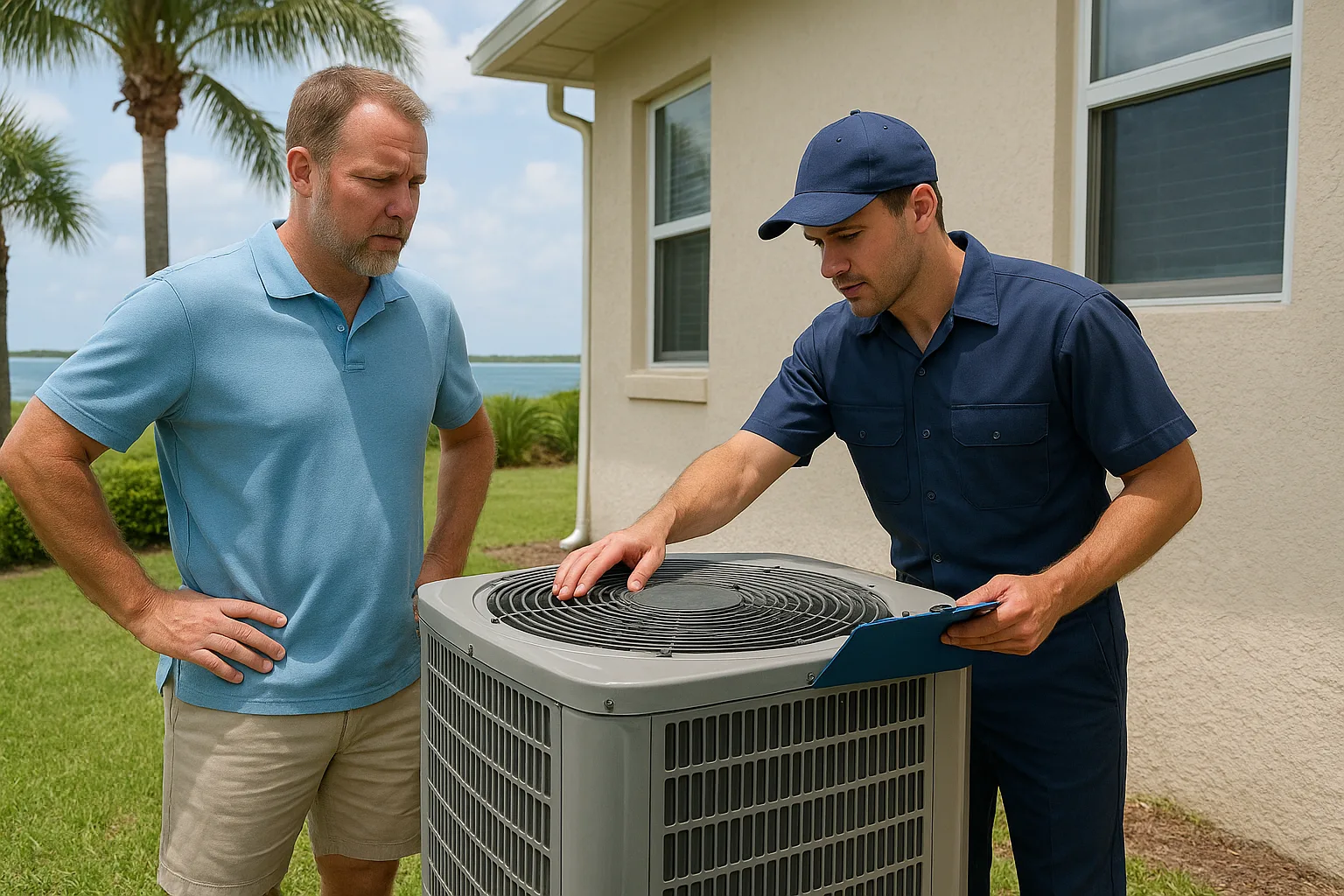
Why Gulf Breeze Homes Need Fast AC Repair
Living in Gulf Breeze means your cooling system works hard for much of the year. Between high humidity, salt in the coastal air, and long stretches of heat across Santa Rosa County, even a well-maintained unit can start showing signs of trouble. When that happens, small issues can turn into bigger and more expensive HVAC repair needs if they are ignored.
Homeowners often notice the first clue in simple ways: the house feels muggy, the system runs longer than usual, or certain rooms never cool down. These symptoms can point to airflow problems, thermostat issues, low refrigerant, or an internal part that is wearing out. In a coastal area like the Florida Panhandle, corrosion can also affect outdoor equipment faster than many people expect.
The good news is that many AC service calls begin with signs that are easy to spot at home. Knowing what to look for can help you protect your comfort, reduce stress, and decide when to schedule air conditioning service before a breakdown leaves you with no cooling at all.
Common Warning Signs Your Air Conditioner Needs Attention
Most homeowners do not need to know every technical detail to recognize when something is off. Your air conditioner often gives clear signals before it fails. Paying attention to those signals can help you catch problems early and avoid emergency central air repair during the hottest days of the season.
Warm Air From Vents
If the thermostat is set correctly but warm air from vents keeps blowing, the system may have a refrigerant issue, a compressor problem, or a blockage affecting airflow. Sometimes the cause is simple, like a dirty filter or thermostat setting. Other times it points to a larger AC repair need that should be checked by a professional. Homeowners in Gulf Breeze often compare Emergency HVAC Services when they want a more focused look at repair or replacement options.
Frozen Evaporator Coil
A frozen evaporator coil usually means the system is not moving enough air or is struggling with low refrigerant. Ice on the indoor coil can reduce cooling and can even damage the unit if it keeps running. If you see ice, turn the system off and let it thaw before scheduling home AC repair.
Short Cycling
Short cycling happens when the system turns on and off too often. This can wear out parts faster, raise energy bills, and leave your home less comfortable. Common causes include thermostat issues, a clogged filter, electrical trouble, or an oversized system that does not match the home well.
Drain Line Clog
In humid Gulf Breeze weather, condensation is part of normal AC operation. If the drain line clogs, water can back up and trigger leaks, shutoffs, or moisture problems around the unit. A blocked drain line is a frequent reason homeowners call for air conditioner repair during the summer.
How Coastal Weather Affects HVAC Performance
Homes near the coast deal with conditions that can be tough on mechanical systems. Salt air, moisture, and constant use create a setting where AC service matters more than many homeowners realize. Outdoor units may develop coastal corrosion faster, which can affect coils, wiring, fasteners, and cabinet parts.
Humidity is another challenge. When the air feels sticky inside the home, the system may be removing moisture inefficiently or may be undersized for the space. If airflow is weak, rooms can feel warm even when the thermostat says the temperature should be comfortable. That can lead to repeated cooling repair calls unless the root cause is addressed.
Regular maintenance is especially useful in the Florida Panhandle because it helps catch small issues before they become major failures. A technician can look for dirt buildup, worn electrical components, refrigerant leaks, and drain problems that are common in humid climates. If you want a more service-specific breakdown, Air Conditioning Inspection gives you the local details for Gulf Breeze.
What Homeowners Can Check Before Calling for Service
Some AC problems need a trained technician, but a few basic checks can help you rule out simple issues first. These steps are safe for most homeowners and can save time when you do call for HVAC repair.
Check the Thermostat
Make sure the thermostat is set to cool and the temperature is lower than the current indoor temperature. If the screen is blank or the settings seem wrong, the issue may be with the batteries, wiring, or thermostat itself.
Inspect the Air Filter
A dirty filter can restrict airflow and contribute to warm air from vents, frozen coils, and short cycling. If the filter looks clogged with dust, replace it and give the system time to respond.
Look at the Outdoor Unit
Clear away leaves, grass, and debris from around the outdoor condenser. The unit needs space to move air properly. If you notice bent fins, ice, unusual noise, or visible corrosion, those are signs to schedule AC repair soon.
Check for Water Around the System
Standing water near the indoor unit can point to a drain line clog or another drainage issue. Do not ignore repeated moisture, because it can lead to damage in nearby walls, flooring, or ceilings.
When AC Repair Should Not Wait
Some signs mean it is time to call for professional help right away. If your system is blowing warm air, tripping breakers, making loud grinding or squealing noises, or leaking water, a technician should inspect it promptly. The same is true if you suspect low refrigerant or notice the evaporator coil is frozen again after thawing.
Delaying air conditioning service can make the repair more complicated. For example, a small airflow problem may eventually strain the compressor. A drain issue may lead to water damage. A thermostat issue may hide a bigger electrical problem. Quick action often protects both comfort and equipment life.
Homeowners in Gulf Breeze often rely on their systems nearly every day for months at a time. That makes fast, accurate HVAC repair especially valuable when the weather stays warm and humid for long stretches.
Why Professional Diagnosis Matters
Many AC symptoms look similar on the surface. Warm air could be caused by refrigerant loss, a failing blower, or a thermostat problem. Short cycling might come from a dirty filter, electrical failure, or a control board issue. Because several problems can create the same result, a professional diagnosis helps prevent guesswork. For readers weighing next steps in Gulf Breeze, Air Conditioning Replacement is another useful service page to review.
A trained technician can test system pressures, check electrical components, inspect the drain line, evaluate airflow, and identify signs of coastal corrosion. That kind of inspection helps determine whether you need a simple AC service visit or a more involved central air repair. It also helps homeowners make better decisions about repair versus replacement.
Professional service is especially important when the home has older equipment, uneven cooling, or repeated breakdowns. In those cases, the issue may not be a one-time failure. It may be a pattern that needs attention before the next heat wave.
Simple Habits That Help Prevent Repeat Breakdowns
While no system is maintenance-free, a few good habits can reduce the chance of unexpected cooling repair. Replacing filters on schedule, keeping the outdoor unit clear, and addressing small issues early all help the system run more efficiently. It is also smart to pay attention to how long your AC runs and whether your home feels more humid than usual.
Scheduling routine air conditioning service can help catch wear before it turns into a major failure. That is especially useful in Gulf Breeze, where salt air and moisture can speed up deterioration. Preventive care often costs less than waiting for the system to fail during peak summer demand.
Get Help From a Local Team That Knows Gulf Breeze Homes
If your AC is showing signs of trouble, the safest next step is to have it checked by a local professional who understands the demands of coastal Florida homes. Whether you are dealing with airflow problems, a drain line clog, thermostat issues, or a frozen evaporator coil, prompt service can restore comfort and help protect your equipment.
For trusted AC repair in Gulf Breeze and Santa Rosa County, call A Superior Mechanical at (850) 258-3225. A quick visit today can help you avoid a bigger breakdown tomorrow.
Frequently Asked Questions
Warm air from vents can happen because of thermostat issues, low refrigerant, airflow problems, or a mechanical failure inside the system. In Gulf Breeze, coastal corrosion and heavy use can also contribute to cooling trouble.
A frozen evaporator coil often points to restricted airflow or low refrigerant. Turn the system off, let it thaw, and schedule AC service so the root cause can be found before more damage occurs.
If the problem is limited to a dirty filter, debris around the unit, or a simple setting issue, basic maintenance may solve it. If the system is short cycling, leaking, making noise, or failing to cool, you likely need HVAC repair.
Yes. Coastal corrosion is a real concern in the Florida Panhandle because salt and moisture can wear on metal parts, coils, and electrical connections over time. Regular inspection helps reduce that risk.
Service Area
Need HVAC Help in Gulf Breeze?
Call AC Repair in Gulf Breeze or request service online.
Request Service