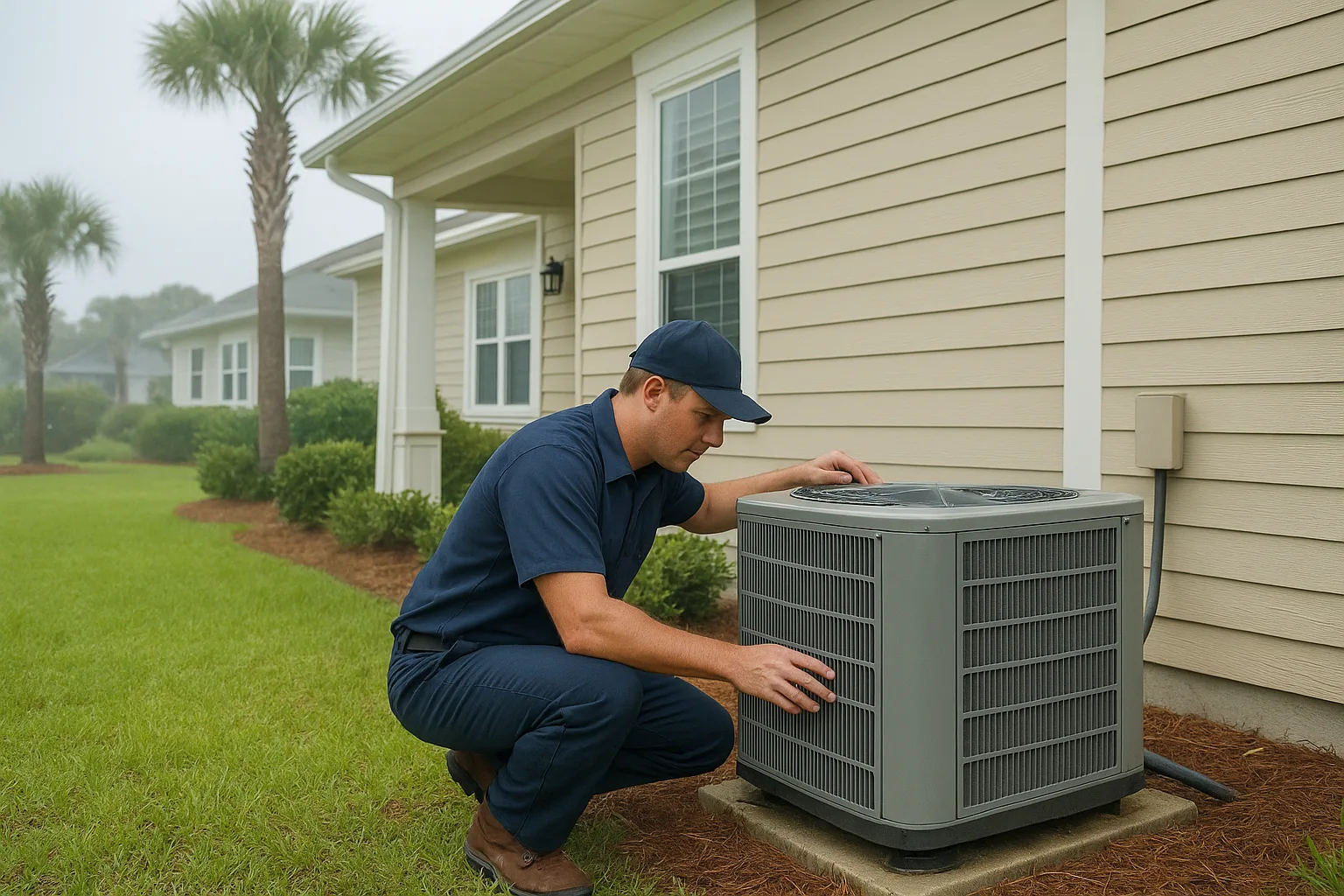
Why early AC warning signs matter in Gulf Breeze
In Gulf Breeze, an air conditioner works hard for much of the year. Heat, humidity, salt air, and long run times can wear down a system faster than many homeowners expect. Catching a problem early can help you avoid a full breakdown on a muggy afternoon, protect indoor comfort, and keep repair costs from growing.
If your system is already showing signs of trouble, a timely AC repair can often restore performance before the issue spreads to other parts of the unit. Homeowners in Santa Rosa County and across the Florida Panhandle often notice small changes first, then wait until the system stops cooling altogether. That delay can turn a simple air conditioning service call into a larger HVAC repair.
Common signs your AC needs attention
Warm air from vents
If the thermostat is set correctly but the vents are pushing warm air, the problem may be more than a minor nuisance. Warm air from vents can point to low refrigerant, a failing compressor, thermostat issues, or restricted airflow. It can also happen when a system is running, but not transferring heat properly.
Weak or uneven airflow
Airflow problems often show up as rooms that never quite cool down, even when the AC runs for long periods. A clogged filter, duct issue, worn blower component, or blocked return can all reduce circulation. In some homes, one side of the house feels comfortable while the other stays sticky and warm. Homeowners in Gulf Breeze often compare Air Conditioning Systems when they want a more focused look at repair or replacement options.
Short cycling
Short cycling means the system turns on and off too often. This can raise energy use, increase wear on parts, and make it hard for the home to stay cool. It may be caused by thermostat issues, dirty coils, low refrigerant, or an oversized system struggling to operate correctly.
Frozen evaporator coil
A frozen evaporator coil is usually a sign that something is wrong with airflow or refrigerant flow. You might notice ice on the indoor unit, reduced cooling, or water around the air handler after the ice melts. Running the system in this condition can make the damage worse, so it is best to shut it down and schedule service.
Drain line clog
When the condensate drain line clogs, water cannot leave the system properly. That can lead to leaks, musty smells, or a safety switch that shuts the unit down. In humid Gulf Breeze weather, drain line clogs are especially common because AC systems pull a lot of moisture from the air.
Unusual noises or odors
Grinding, rattling, buzzing, or squealing sounds should never be ignored. Neither should burning smells, sour odors, or a lingering musty scent. These issues may point to electrical trouble, loose parts, mold in the system, or a drainage problem that needs prompt attention. If you want a more service-specific breakdown, Heat Pump Services gives you the local details for Gulf Breeze.
How Gulf Breeze weather affects HVAC systems
Living near the coast brings unique challenges for HVAC equipment. Coastal corrosion can affect outdoor coils, fasteners, electrical connections, and cabinet parts. Salt in the air may speed up wear, especially if the system is already exposed to heavy use and poor maintenance.
High humidity also makes your AC work harder to remove moisture from the air. That extra workload can reveal weak spots in the system, such as low refrigerant, airflow problems, or a failing fan motor. In many Gulf Breeze homes, cooling repair needs are not caused by one big event, but by gradual wear that builds over time.
When a repair may be enough, and when to worry
Not every AC issue means you need a replacement. Many problems can be solved with targeted air conditioner repair, such as replacing a capacitor, clearing a drain line clog, sealing a small refrigerant leak, or correcting thermostat issues. If the system is newer and well maintained, repair is often the practical choice.
It is time to think more carefully about the bigger picture if your unit needs frequent service, struggles to cool the home, or has major corrosion on key components. A trusted technician can inspect the system, explain the condition in plain language, and help you decide whether central air repair makes sense or if a different path is more cost effective. For readers weighing next steps in Gulf Breeze, Air Conditioning Installation is another useful service page to review.
What homeowners can check before calling for service
There are a few simple things you can look at before scheduling AC service. Check the thermostat settings, replace a dirty air filter, and make sure supply vents are open and unobstructed. You can also look for visible water around the indoor unit or ice on the lines and coils.
These basic checks can help narrow down the issue, but they are not a substitute for professional HVAC repair. Refrigerant problems, electrical faults, and internal mechanical issues should be handled by a trained technician.
Why local AC service matters
Local experience matters when it comes to AC repair in Gulf Breeze. A technician who understands the climate, salt exposure, and common home comfort issues in the Florida Panhandle can spot patterns faster and recommend repairs that fit the environment. That can mean better long-term performance and fewer repeat problems.
Whether you need home AC repair, cooling repair, or routine air conditioning service, working with a local team can help keep your system ready for the long cooling season ahead.
Need help with AC problems in Gulf Breeze?
If your system is showing warning signs, do not wait for a full breakdown. Call AC Repair in Gulf Breeze at (850) 258-3225 for prompt local help. For more information, visit https://asuperiormechanical.com.
Frequently asked questions
Why is my AC blowing warm air?
Warm air can be caused by low refrigerant, thermostat issues, airflow problems, or a system component that is not working correctly. A professional inspection can identify the root cause.
What does a frozen evaporator coil mean?
A frozen evaporator coil usually points to restricted airflow, low refrigerant, or another system problem. Turn the unit off and schedule service so the issue does not get worse.
Can coastal air really damage my AC?
Yes. Coastal corrosion can affect outdoor components and electrical connections over time. Regular maintenance and timely repairs can help limit the damage.
How do I know if I need AC repair or replacement?
If the system is fairly new and the issue is isolated, repair is often the right move. If the unit is older, needs frequent fixes, or has major damage, a technician can help you compare repair and replacement options.
Frequently Asked Questions
Warm air can be caused by low refrigerant, thermostat issues, airflow problems, or a system component that is not working correctly. A professional inspection can identify the root cause.
A frozen evaporator coil usually points to restricted airflow, low refrigerant, or another system problem. Turn the unit off and schedule service so the issue does not get worse.
Yes. Coastal corrosion can affect outdoor components and electrical connections over time. Regular maintenance and timely repairs can help limit the damage.
If the system is fairly new and the issue is isolated, repair is often the right move. If the unit is older, needs frequent fixes, or has major damage, a technician can help you compare repair and replacement options.
Service Area
Need HVAC Help in Gulf Breeze?
Call AC Repair in Gulf Breeze or request service online.
Request Service